The Real ROI of Workflow Automation (With Numbers)
Most teams dramatically underestimate the cost of manual work because they only count the obvious hours. The real cost includes context switching, error correction, delays, and the opportunity cost of your best people doing low-value tasks.
A simple ROI model: multiply the hours a task takes by how often it runs by the fully-loaded cost of the person doing it. Then add the cost of errors and delays. That's your annual manual cost.
Compare that to a one-time build plus ongoing maintenance. In our projects, automation typically pays back in 1–3 months and then compounds — because automated systems don't take vacations or make typos.
The teams that win treat automation as an investment portfolio: start with the highest-ROI workflow, prove the value, and reinvest the saved hours into the next one.
Haseeb Tariq
Co-Founder at Vyntrix Labs
Keep reading
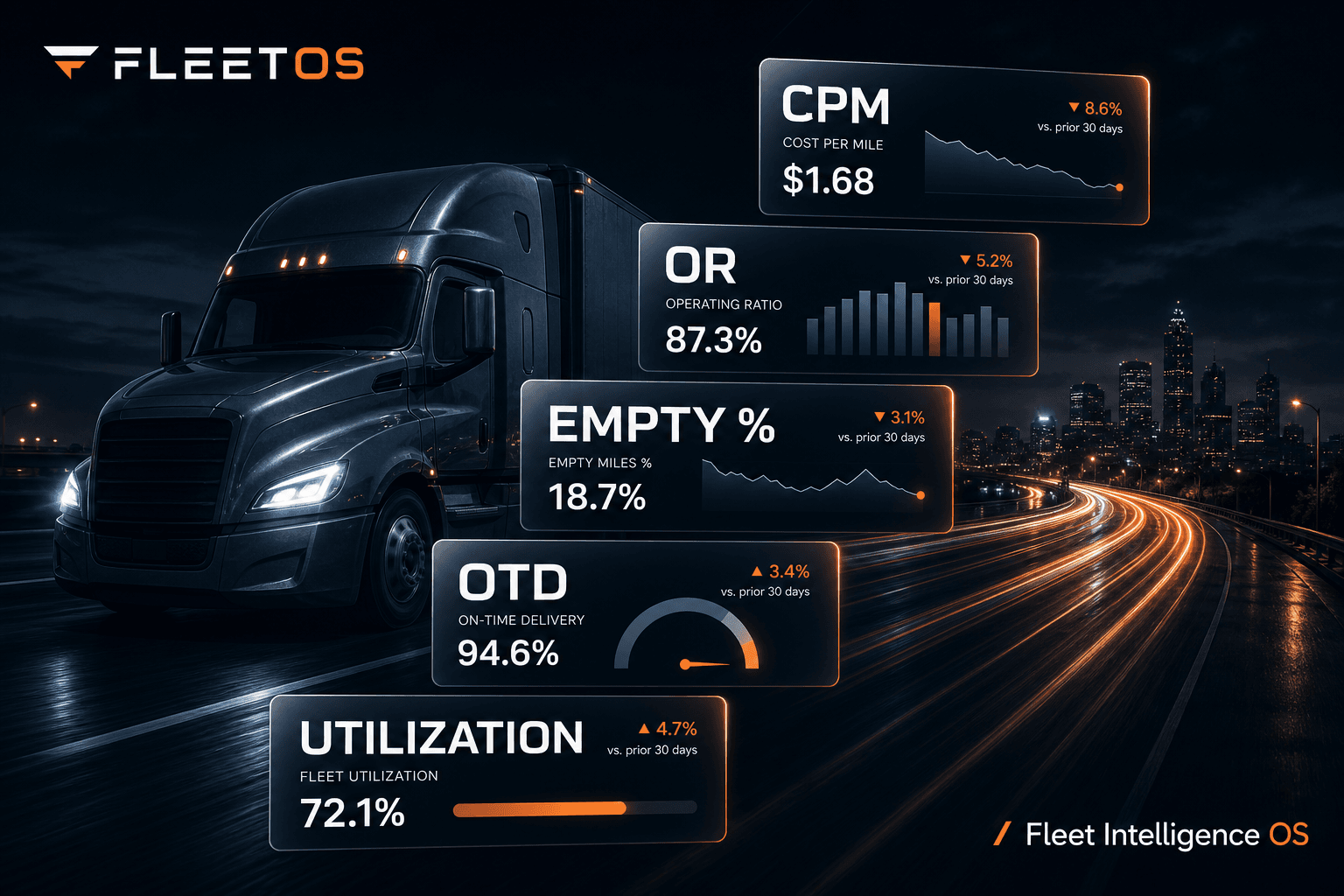
FleetOS: Why Fleet Intelligence Is More Than Dashboards
Motor carriers already own TMS, telematics, and shop systems. FleetOS is the governed decision layer on top — cost-per-mile truth, exception-first ops, and AI that explains what to do next.
Ashir Haroon
CEO
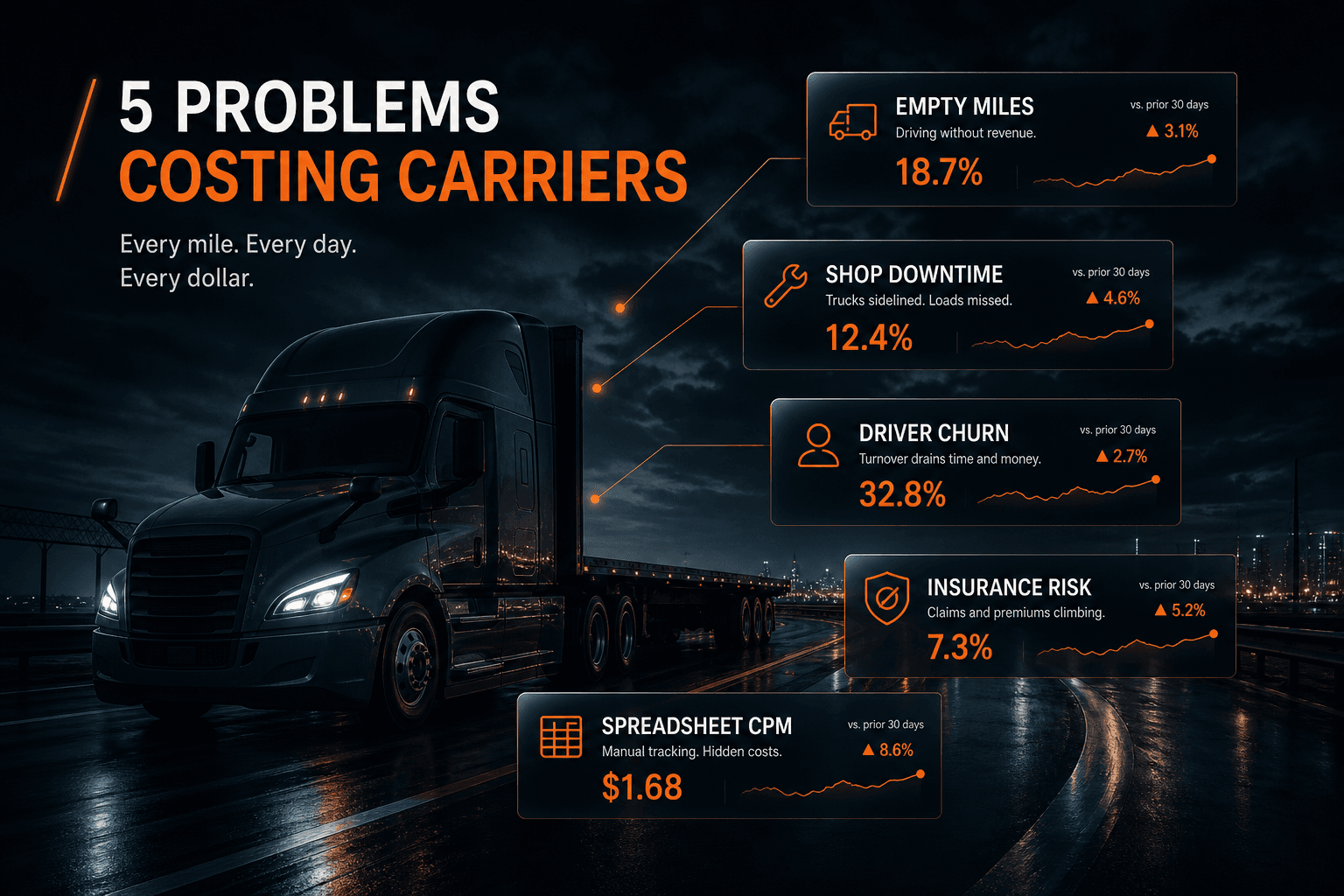
The Everyday Problems Trucking Carriers Still Fight — And Why They Persist
Missed tenders, empty miles, shop downtime, driver churn, insurance spikes, and spreadsheet CPM — the generic carrier pain list hasn’t changed. Here’s why the problems stick, and what actually moves the needle.
Sufyan
AI Engineer
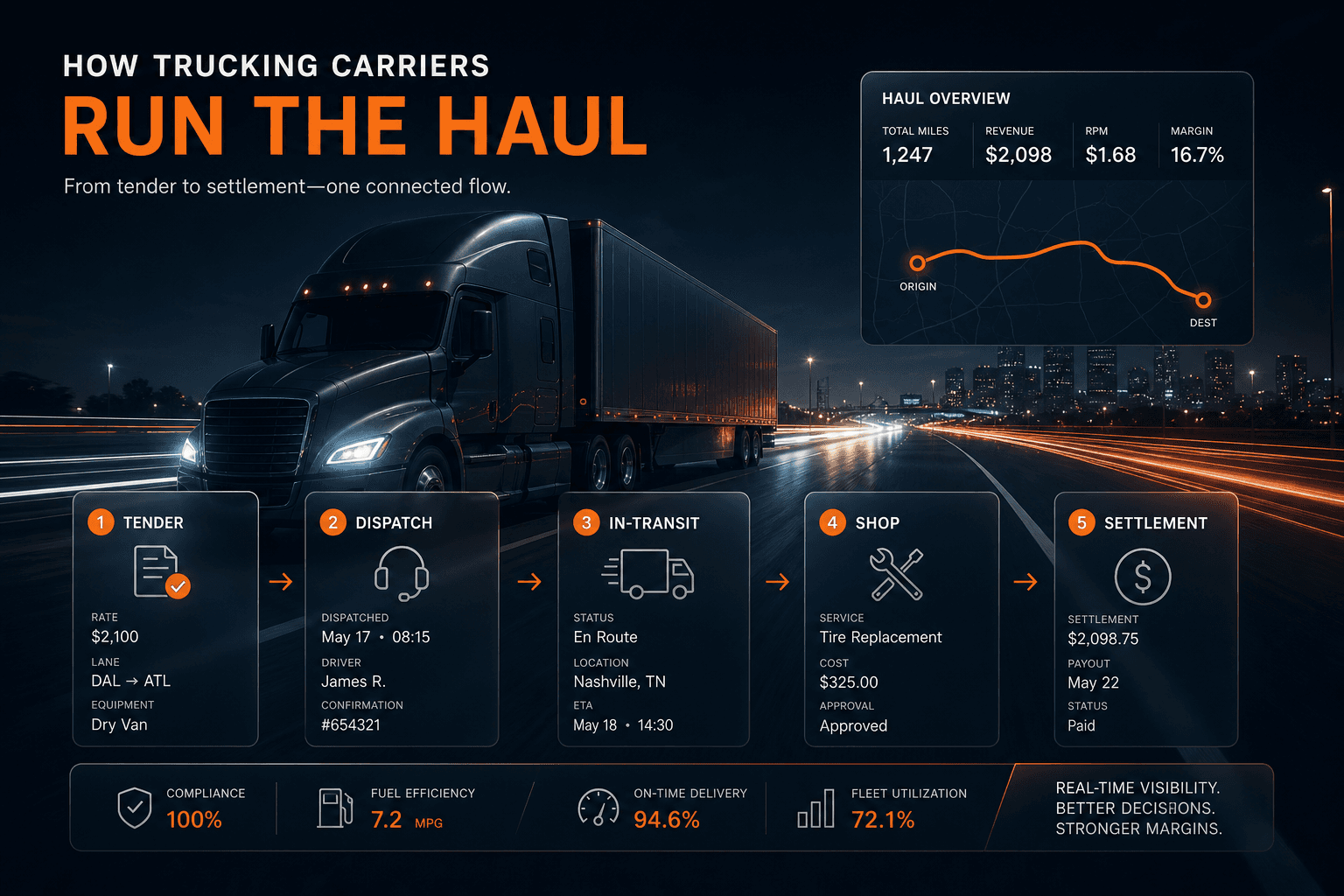
How Trucking Carriers Actually Run the Haul — And Where Intelligence Wins
From tender to settlement, a fleet’s haul is a chain of commercial, planning, execution, and asset decisions. Here’s how carrier operations really work — and where AI closes the margin gap.
Haseeb Tariq
Co-Founder