The Everyday Problems Trucking Carriers Still Fight — And Why They Persist
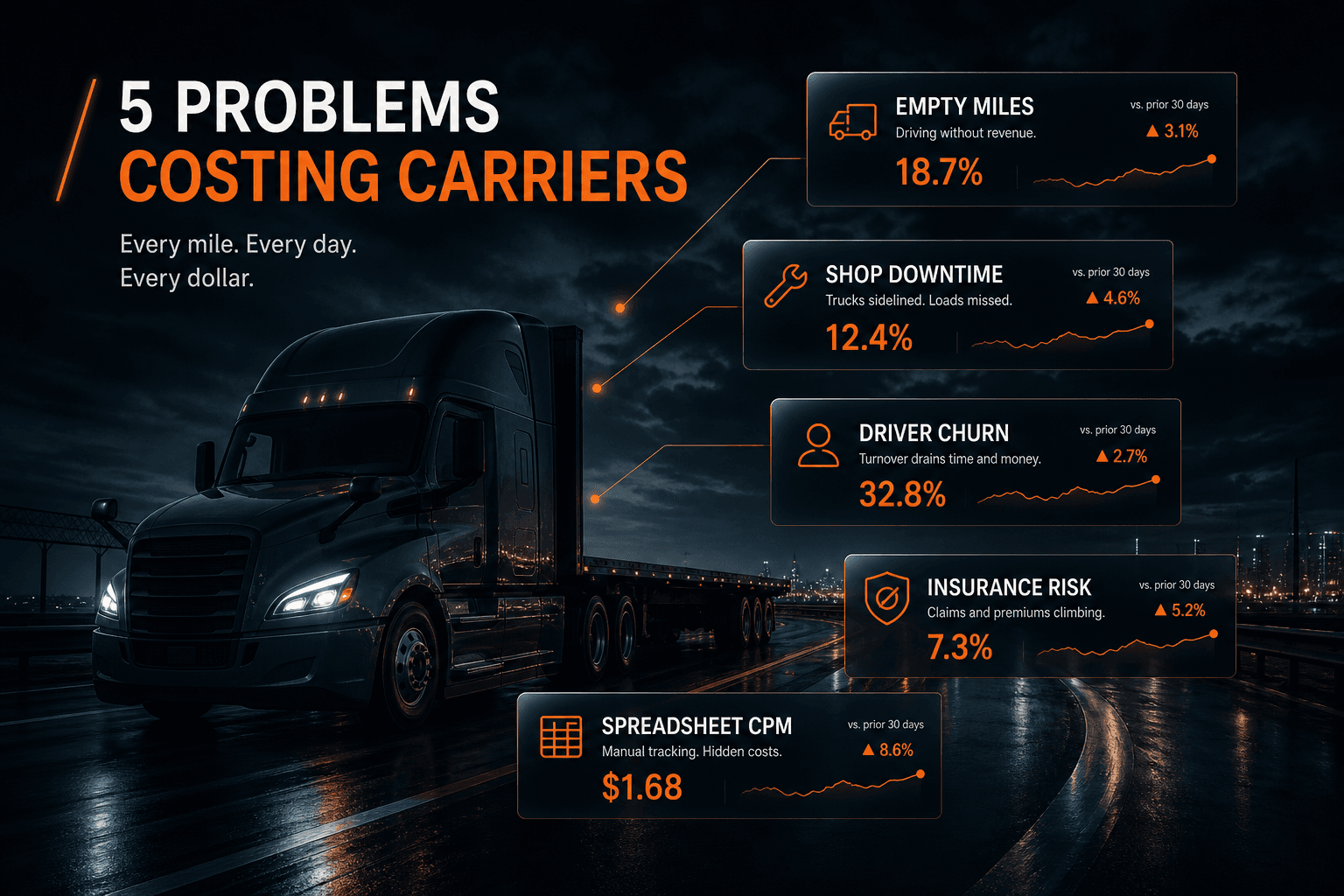
Ask any truckload, reefer, flatbed, or regional carrier what hurts and you’ll hear the same list: freight that doesn’t pay after detention and fuel, trucks sitting while freight waits, drivers leaving after one bad home-time stretch, shop bays full of preventable failures, CSA scores that scare underwriters, and a month-end close that still needs three spreadsheets to agree on cost-per-mile. These aren’t niche edge cases. They’re the generic operating reality of most fleets.
The problems persist because each one lives in a different system and a different inbox. Dispatch owns on-time and empty miles. Safety owns HOS and events. Maintenance owns downtime. Finance owns settlements and fuel. Leadership gets a weekly deck that averages everything into a number no one trusts. When freight softens or insurance renews, the fire drills restart — hire another analyst, buy another dashboard, export another CSV — without fixing the underlying definition of “good” for a truck, a lane, or a customer.
Technology vendors often sell the symptom: a prettier map, a new ELD alert, a maintenance app, a BI license. Capture improves. Judgment does not. Carriers still can’t answer, in the same meeting, which accounts destroy contribution, which assets should be shopped before they strand a load, which drivers are one bad week from quitting, or whether yesterday’s haul actually covered fully loaded cost. Without shared metrics and exception-first workflows, every department optimizes locally and the fleet loses globally.
The fleets that get ahead treat these generic problems as one operating system problem: define the KPIs that matter, connect the systems of record, and put exceptions — not vanity charts — in front of the people who can act. That is how missed miles, idle power, insurance risk, and margin leakage stop being “how trucking works” and start becoming a managed backlog with owners, SLAs, and measurable improvement.
Sufyan
AI Engineer at Vyntrix Labs
Keep reading
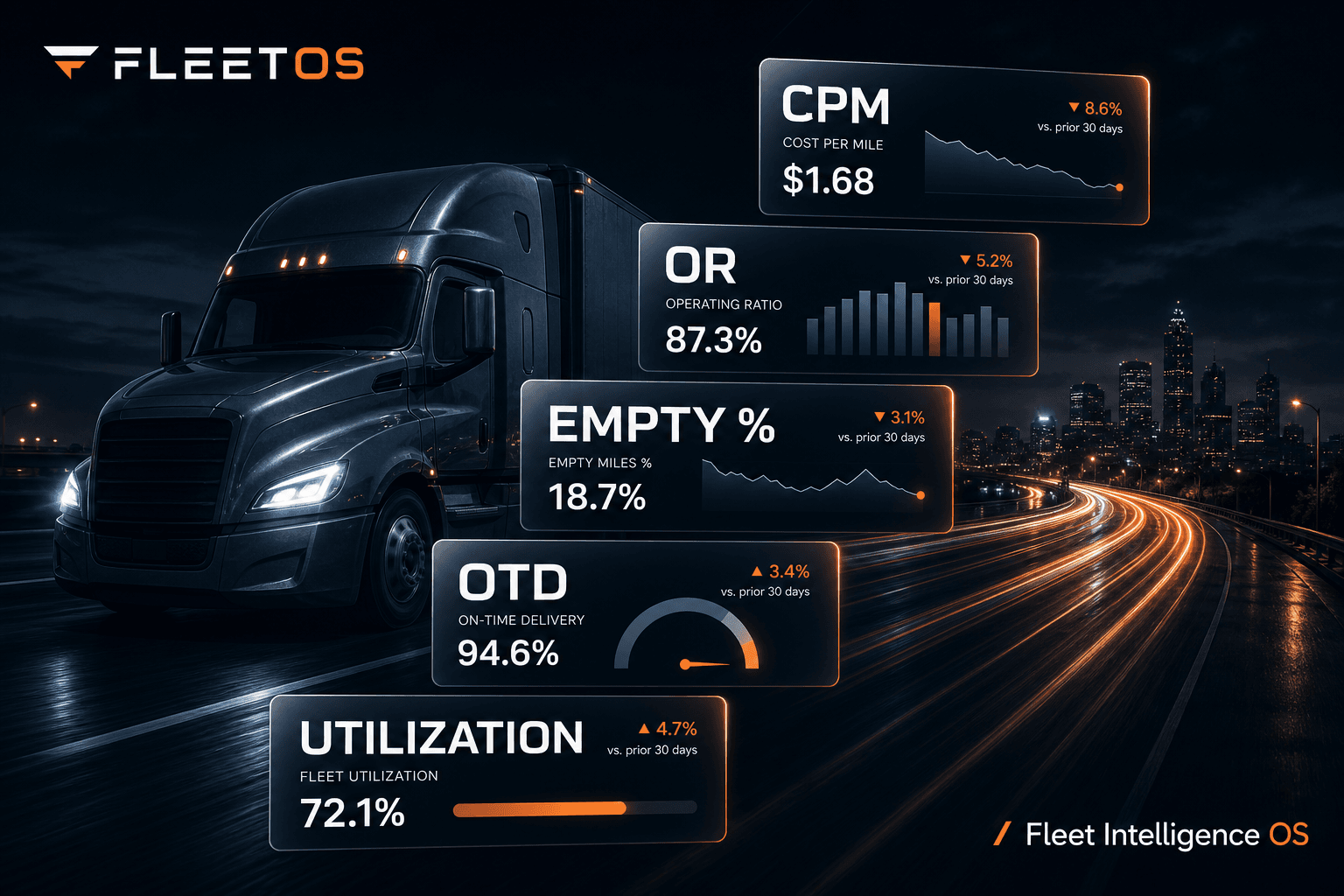
FleetOS: Why Fleet Intelligence Is More Than Dashboards
Motor carriers already own TMS, telematics, and shop systems. FleetOS is the governed decision layer on top — cost-per-mile truth, exception-first ops, and AI that explains what to do next.
Ashir Haroon
CEO
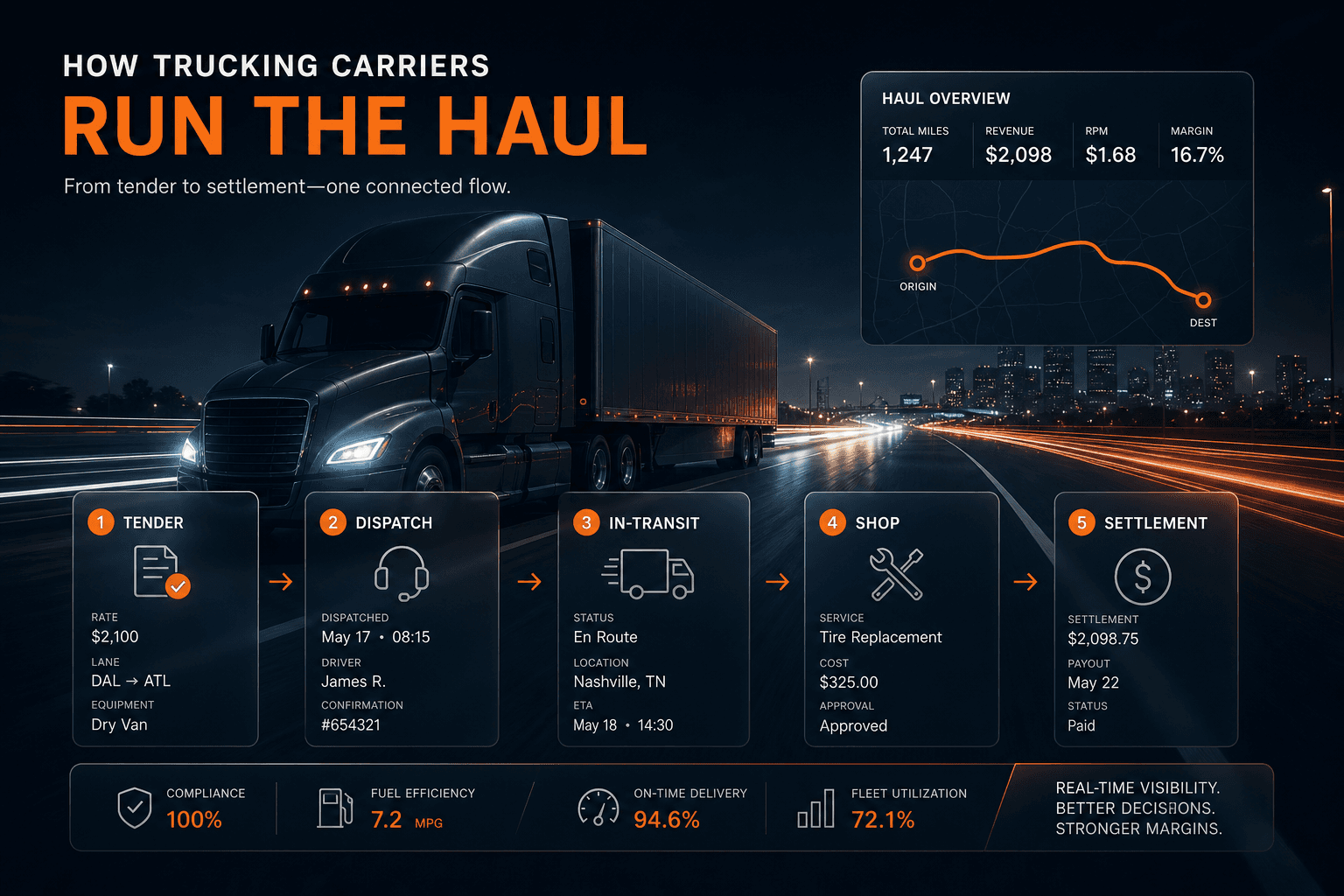
How Trucking Carriers Actually Run the Haul — And Where Intelligence Wins
From tender to settlement, a fleet’s haul is a chain of commercial, planning, execution, and asset decisions. Here’s how carrier operations really work — and where AI closes the margin gap.
Haseeb Tariq
Co-Founder
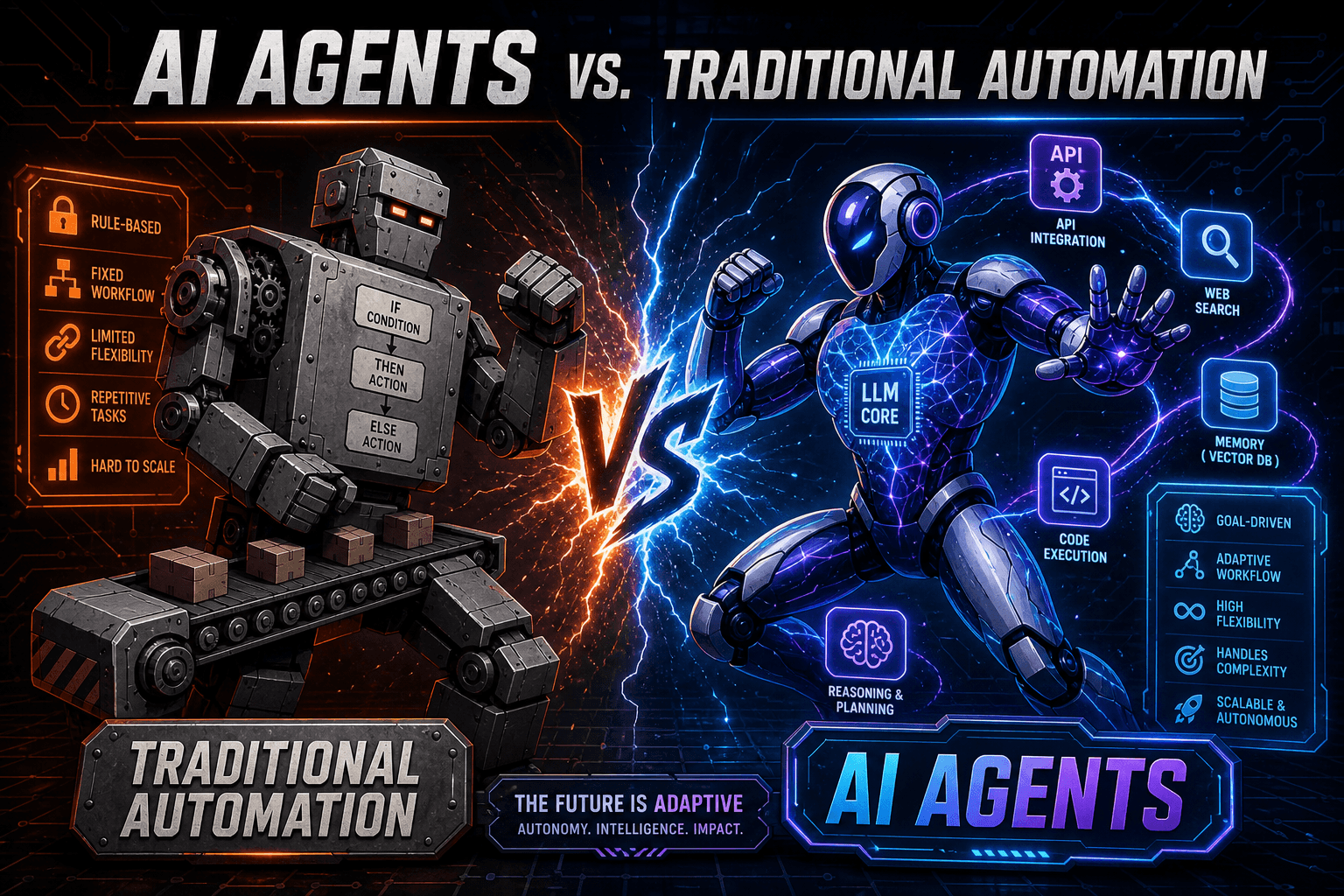
AI Agents vs. Traditional Automation: What's the Difference?
Automation follows rules. Agents make decisions. Here's how to know which one your business actually needs — and where they combine for maximum leverage.
Haseeb Tariq
Co-Founder