AI Agents vs. Traditional Automation: What's the Difference?
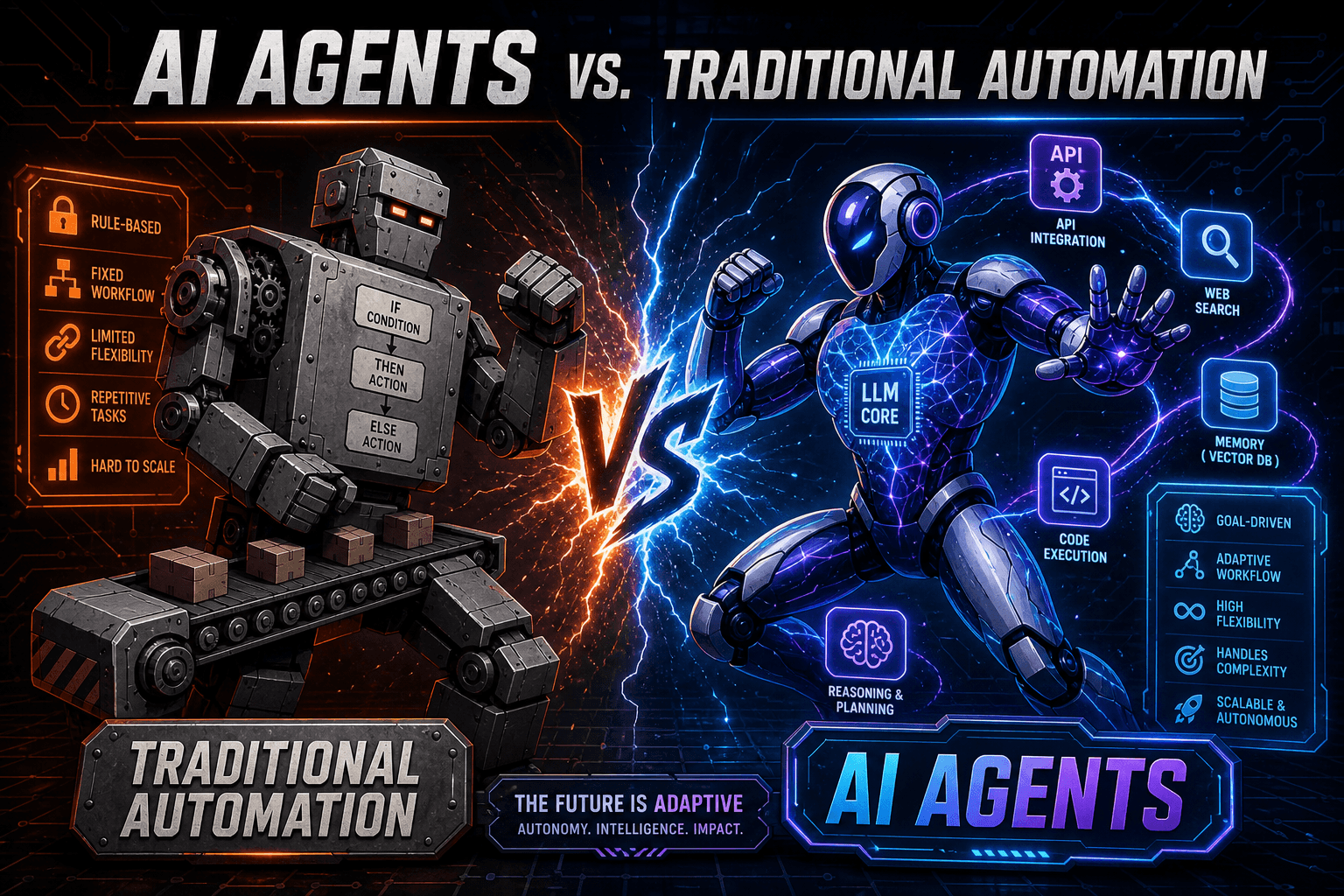
Traditional automation is deterministic: when X happens, do Y. It's fast, reliable, and perfect for well-defined, repetitive tasks. But the moment a workflow requires judgment, context, or adapting to messy real-world inputs, rule-based automation starts to break down.
AI agents fill that gap. An agent can reason about a goal, choose which tools to use, and take multiple steps to accomplish a task — adapting as it goes. Think of automation as the rails and agents as the driver who can navigate detours.
The most powerful systems combine both. Deterministic automation handles the predictable heavy lifting, while agents handle the ambiguous edges with human-in-the-loop guardrails for high-stakes decisions.
When scoping a project, ask: is this task rule-based and repetitive, or does it require judgment? The answer usually points to the right blend — and that blend is where the real ROI lives.
Haseeb Tariq
Co-Founder at Vyntrix Labs
Keep reading
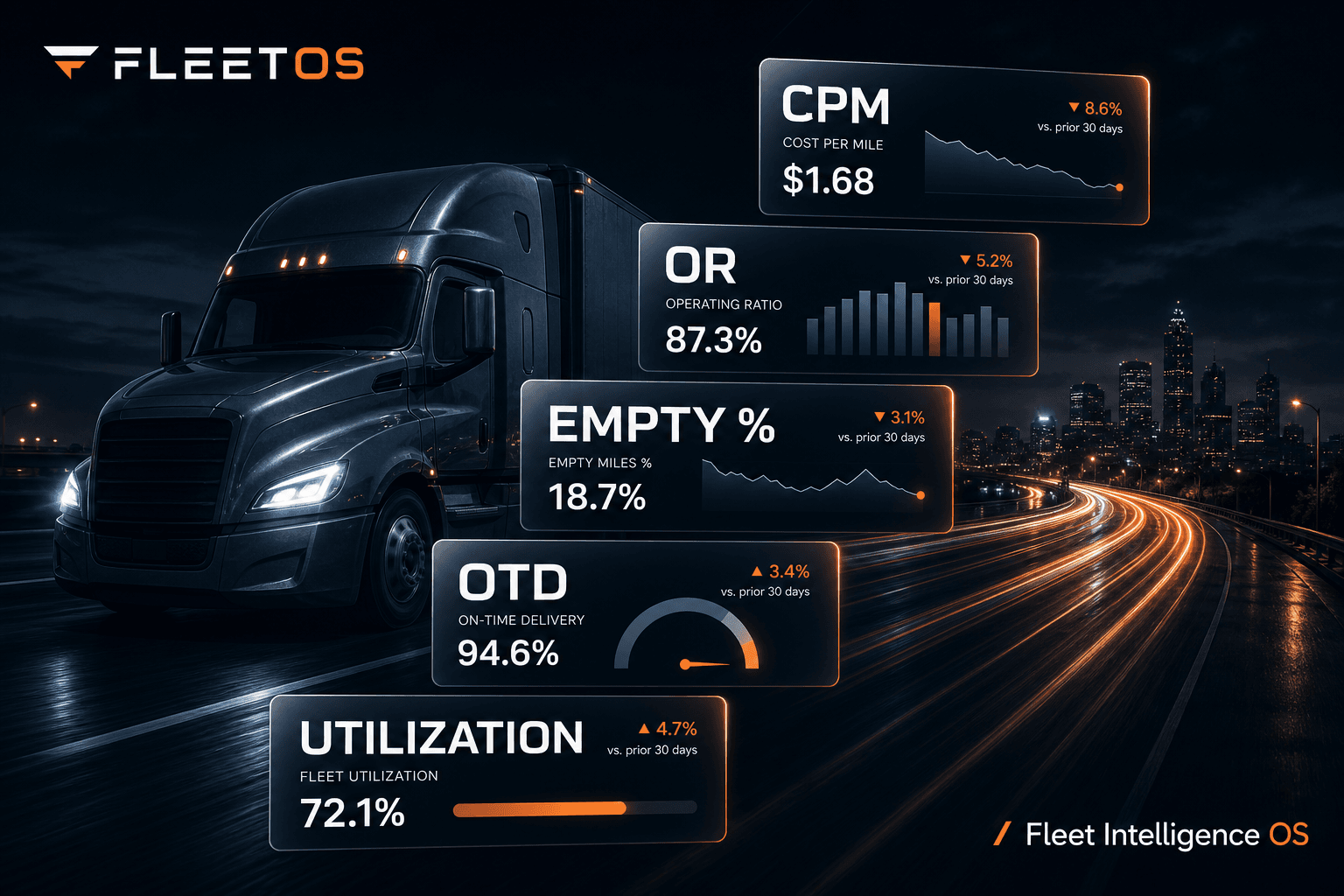
FleetOS: Why Fleet Intelligence Is More Than Dashboards
Motor carriers already own TMS, telematics, and shop systems. FleetOS is the governed decision layer on top — cost-per-mile truth, exception-first ops, and AI that explains what to do next.
Ashir Haroon
CEO
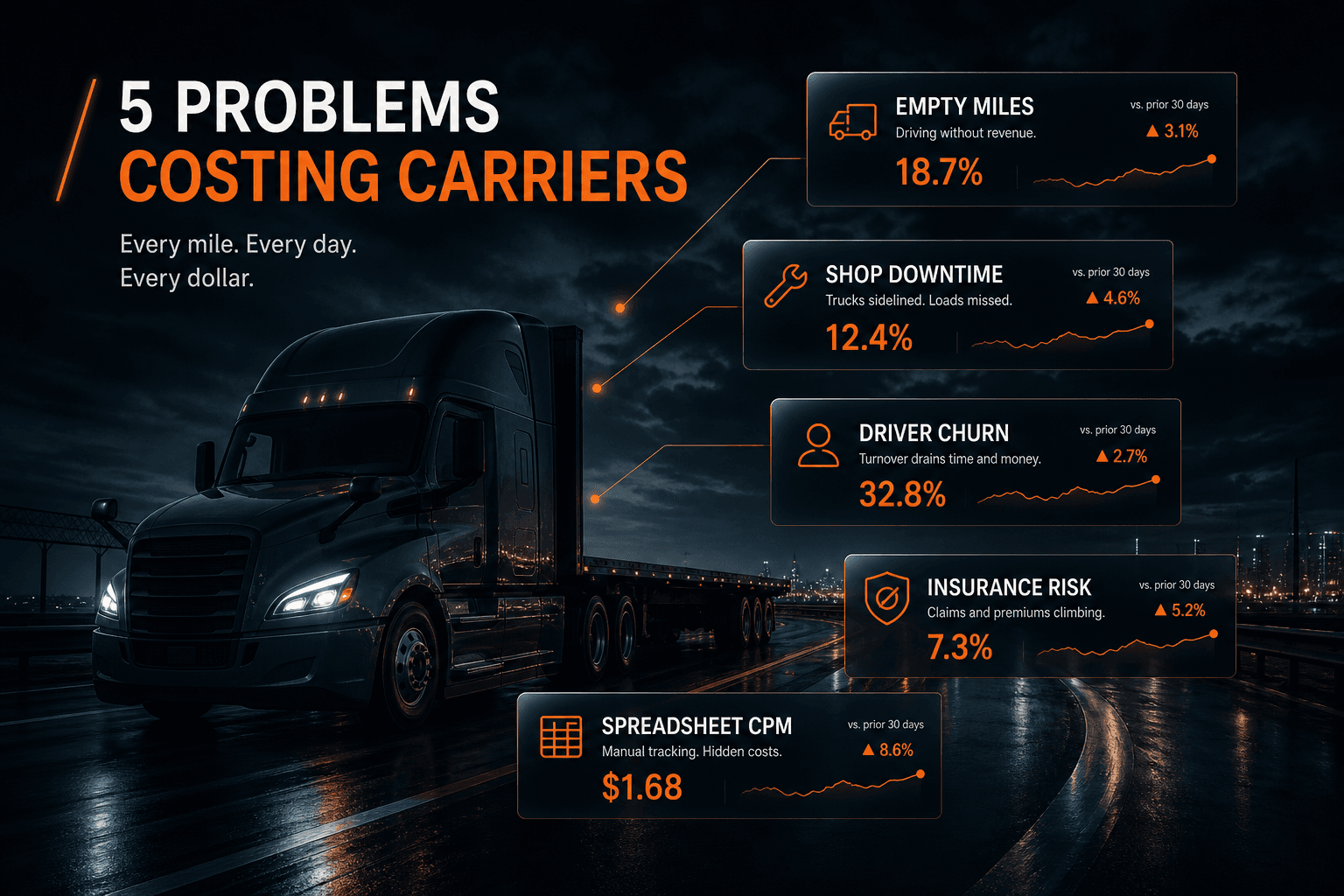
The Everyday Problems Trucking Carriers Still Fight — And Why They Persist
Missed tenders, empty miles, shop downtime, driver churn, insurance spikes, and spreadsheet CPM — the generic carrier pain list hasn’t changed. Here’s why the problems stick, and what actually moves the needle.
Sufyan
AI Engineer
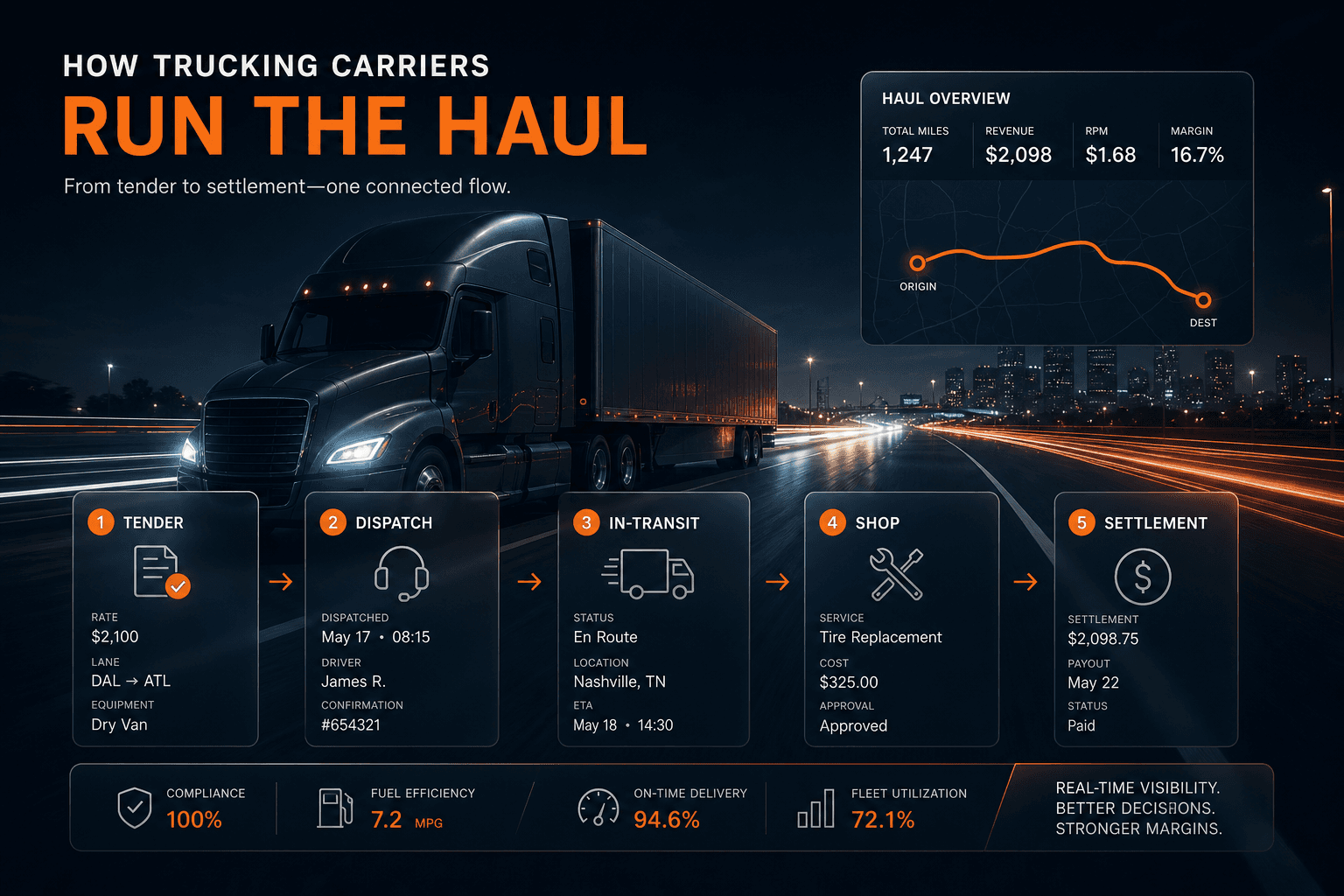
How Trucking Carriers Actually Run the Haul — And Where Intelligence Wins
From tender to settlement, a fleet’s haul is a chain of commercial, planning, execution, and asset decisions. Here’s how carrier operations really work — and where AI closes the margin gap.
Haseeb Tariq
Co-Founder