RAG Knowledge Systems, Explained for Business Leaders
Generic AI models are impressive, but they don't know your policies, your product, or your customers. Ask one a company-specific question and it will often answer confidently — and wrong. Retrieval-Augmented Generation (RAG) fixes this by grounding AI in your real, current data.
A RAG system retrieves the most relevant documents or records before the model answers, so responses come with citations you can verify. Add permission-aware retrieval and every user only sees answers drawn from data they're allowed to access.
The business impact is concrete: support teams resolve tickets faster, new hires onboard in a fraction of the time, and institutional knowledge stops living in people's heads. Answers are consistent, current, and traceable.
The engineering is where it gets real — ingestion pipelines, chunking strategy, evaluation, and freshness all determine quality. Done well, a RAG system turns scattered company knowledge into one of your most valuable assets.
Sufyan
AI Engineer at Vyntrix Labs
Keep reading
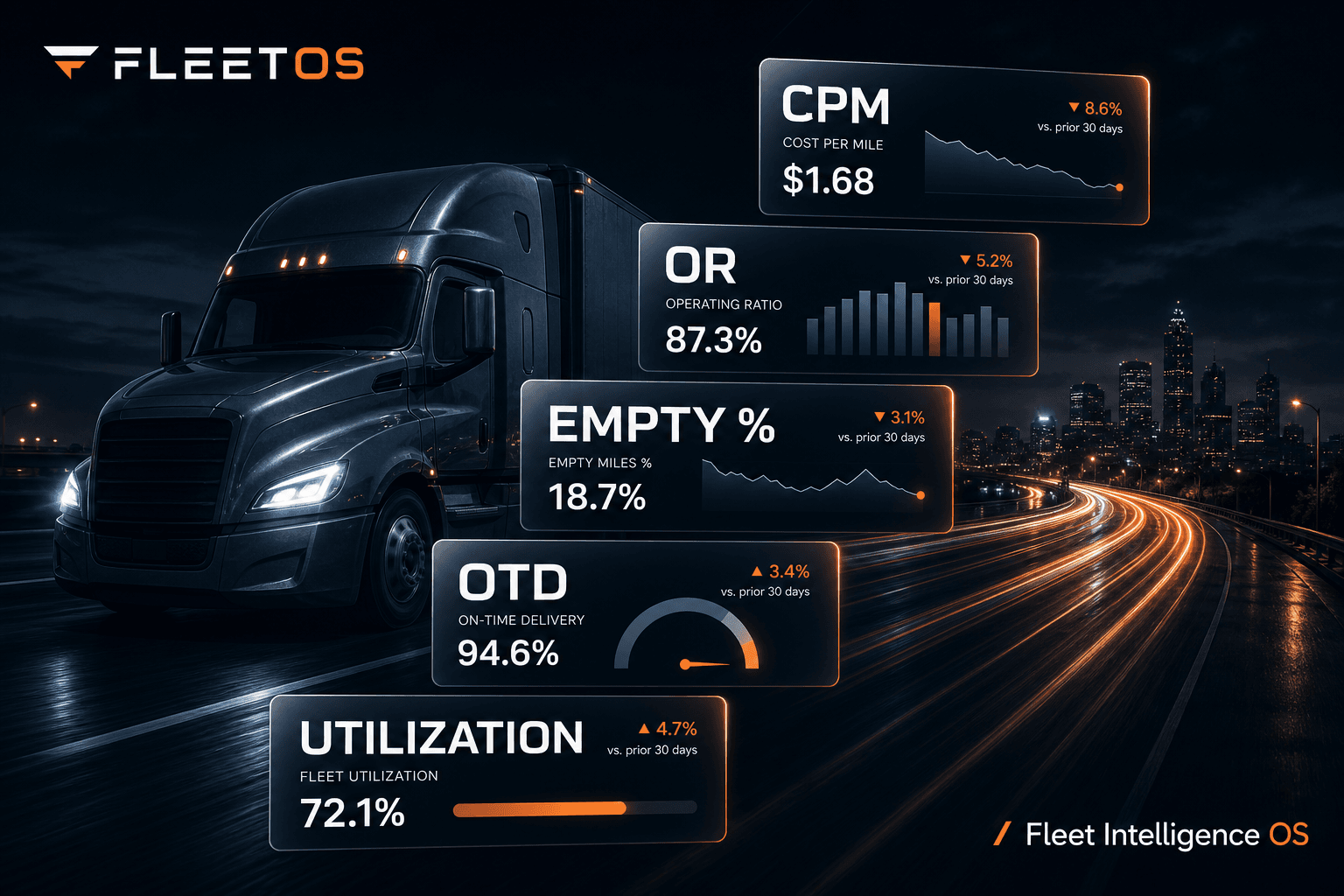
FleetOS: Why Fleet Intelligence Is More Than Dashboards
Motor carriers already own TMS, telematics, and shop systems. FleetOS is the governed decision layer on top — cost-per-mile truth, exception-first ops, and AI that explains what to do next.
Ashir Haroon
CEO
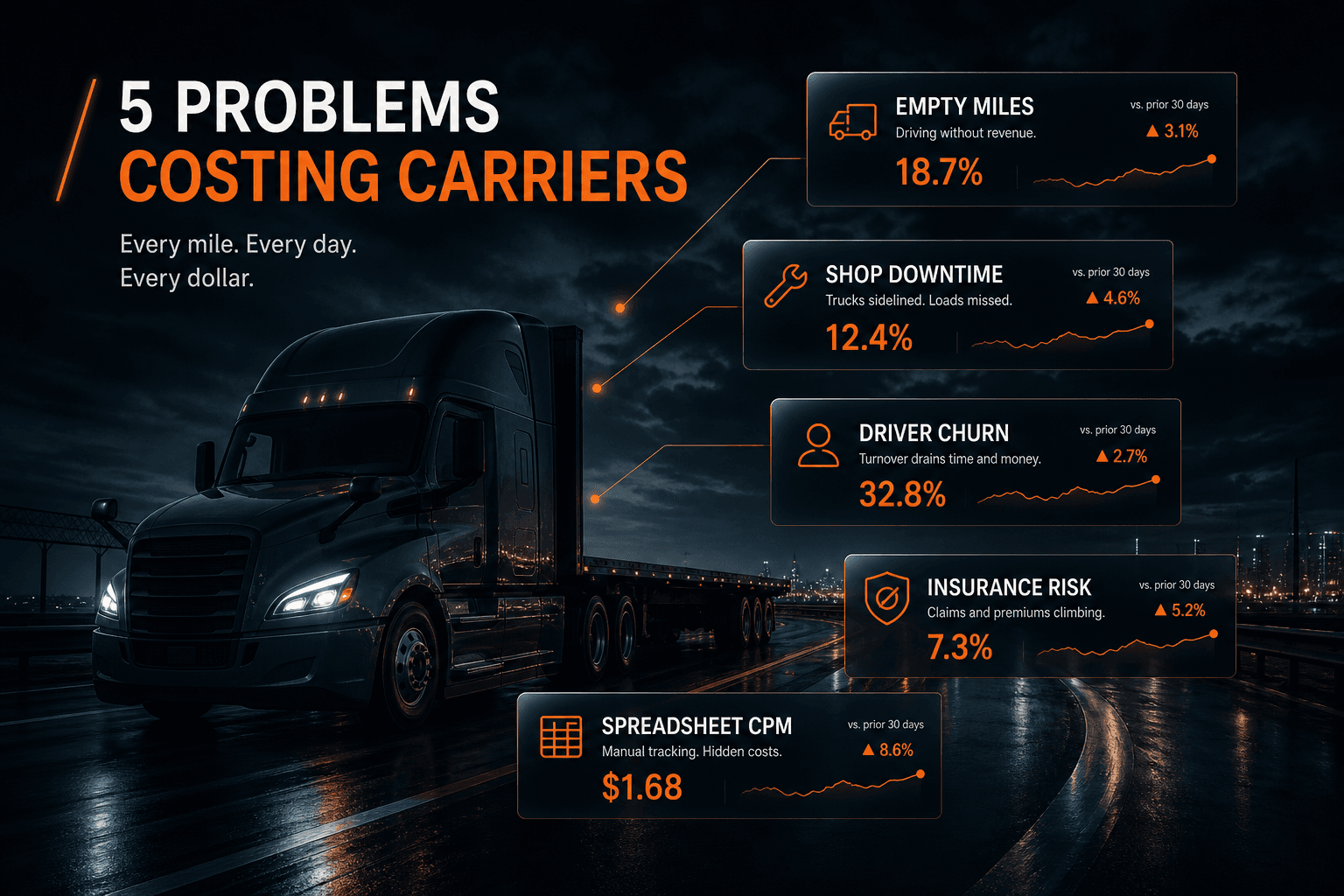
The Everyday Problems Trucking Carriers Still Fight — And Why They Persist
Missed tenders, empty miles, shop downtime, driver churn, insurance spikes, and spreadsheet CPM — the generic carrier pain list hasn’t changed. Here’s why the problems stick, and what actually moves the needle.
Sufyan
AI Engineer
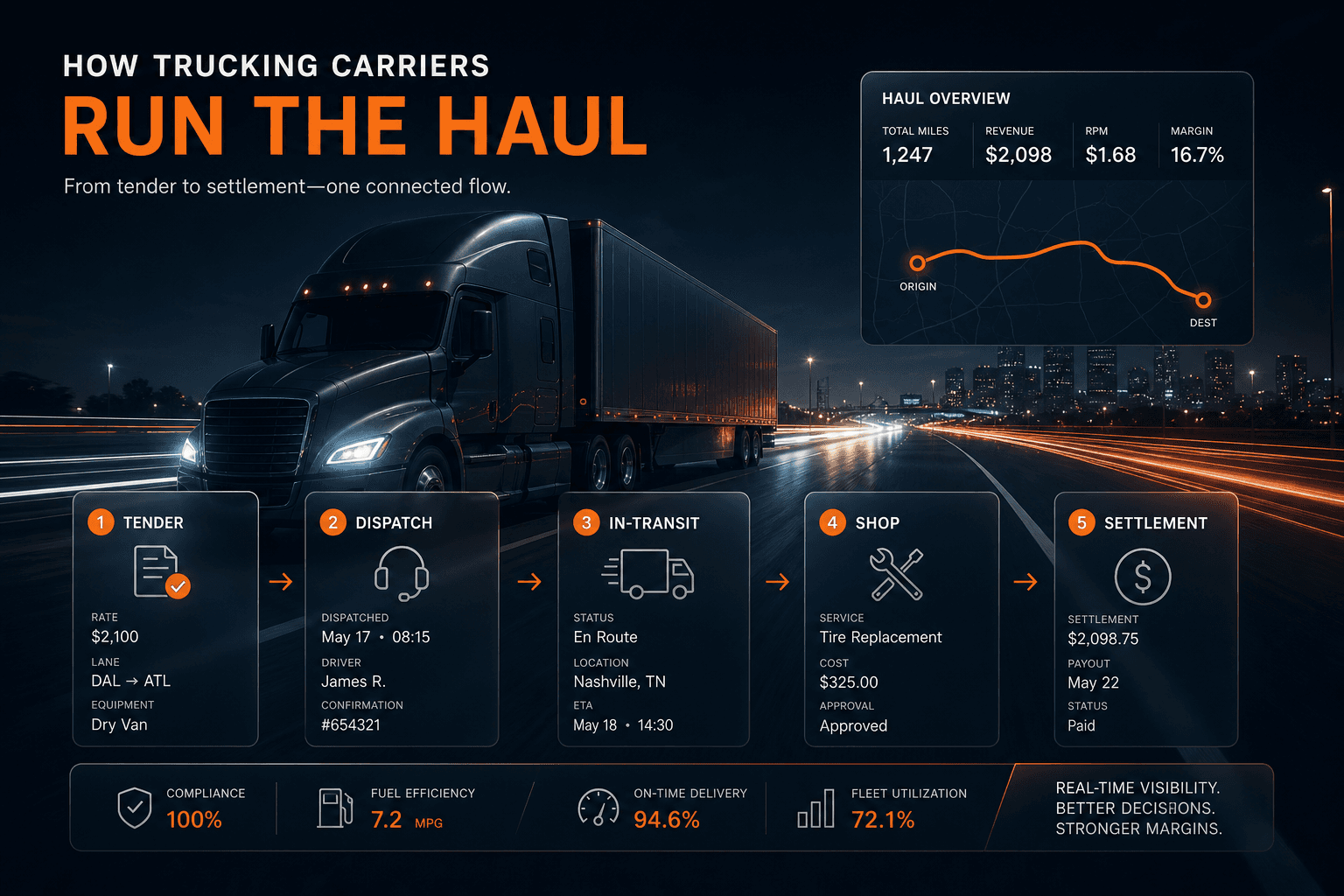
How Trucking Carriers Actually Run the Haul — And Where Intelligence Wins
From tender to settlement, a fleet’s haul is a chain of commercial, planning, execution, and asset decisions. Here’s how carrier operations really work — and where AI closes the margin gap.
Haseeb Tariq
Co-Founder