Our Modern Stack for Shipping AI Products Fast
Speed comes from good defaults. Our baseline is Next.js and TypeScript on the frontend, serverless infrastructure, and a Postgres core — a stack that's fast to build on and scales without rewrites.
For AI, we standardize on a provider-agnostic layer so we can swap between OpenAI, Anthropic, and open models without rewriting application logic. Evals and observability are wired in from day one.
Orchestration matters more than the model. We use durable workflow engines for anything multi-step so failures are retried, state is preserved, and every run is auditable.
None of this is exotic — that's the point. A boring, well-understood stack lets us spend our creativity on your problem, not on infrastructure.
Ashir Haroon
CEO at Vyntrix Labs
Keep reading
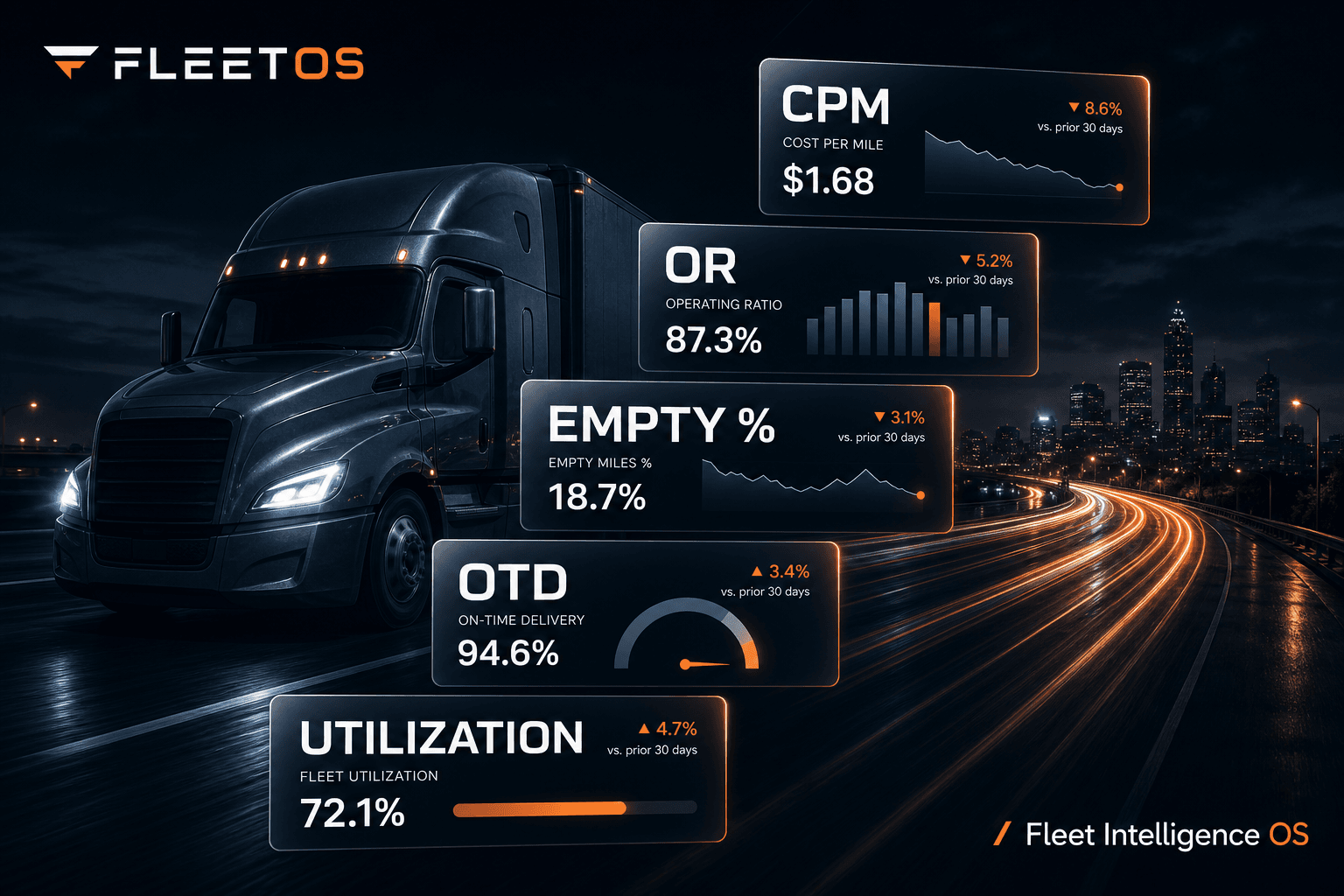
FleetOS: Why Fleet Intelligence Is More Than Dashboards
Motor carriers already own TMS, telematics, and shop systems. FleetOS is the governed decision layer on top — cost-per-mile truth, exception-first ops, and AI that explains what to do next.
Ashir Haroon
CEO
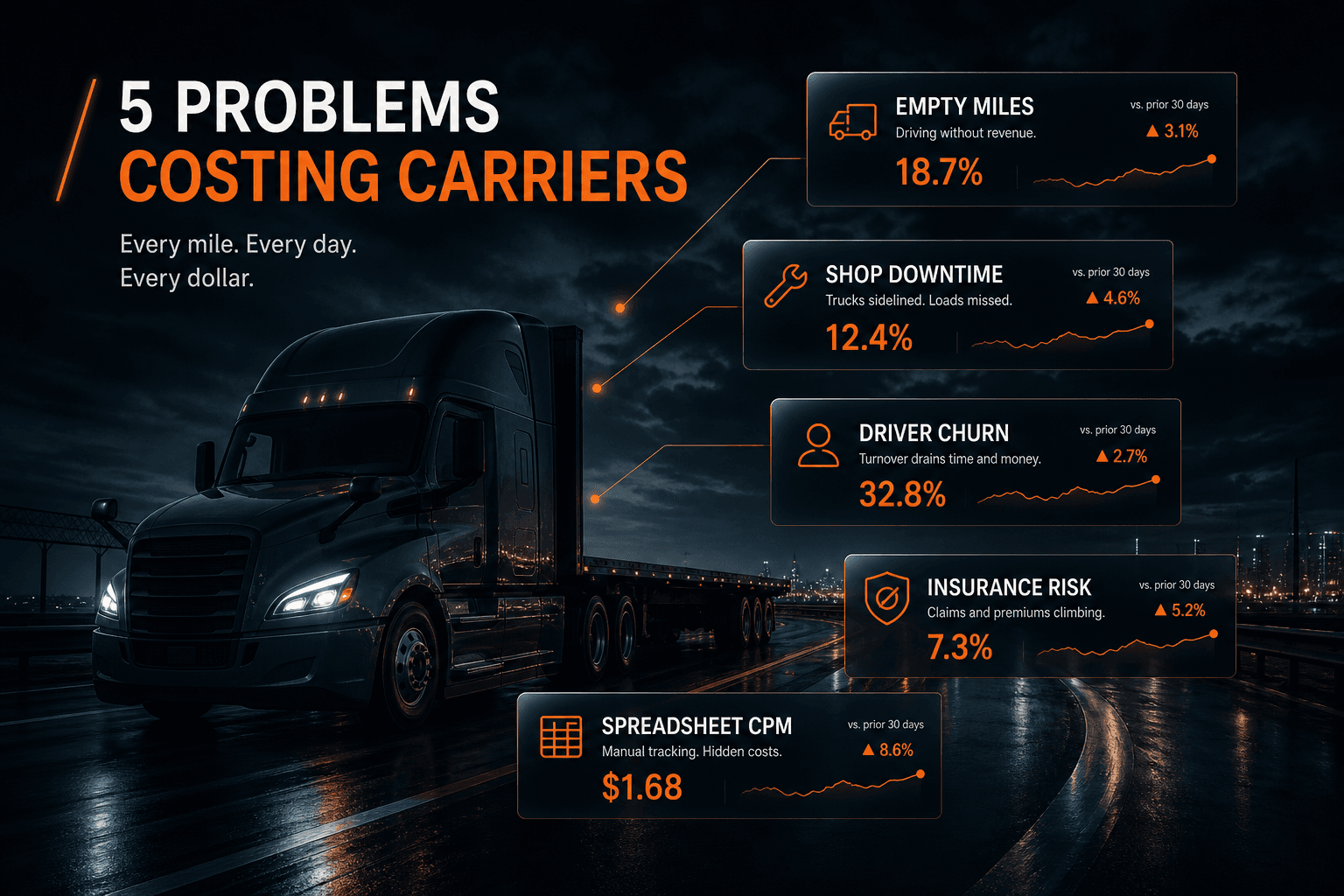
The Everyday Problems Trucking Carriers Still Fight — And Why They Persist
Missed tenders, empty miles, shop downtime, driver churn, insurance spikes, and spreadsheet CPM — the generic carrier pain list hasn’t changed. Here’s why the problems stick, and what actually moves the needle.
Sufyan
AI Engineer
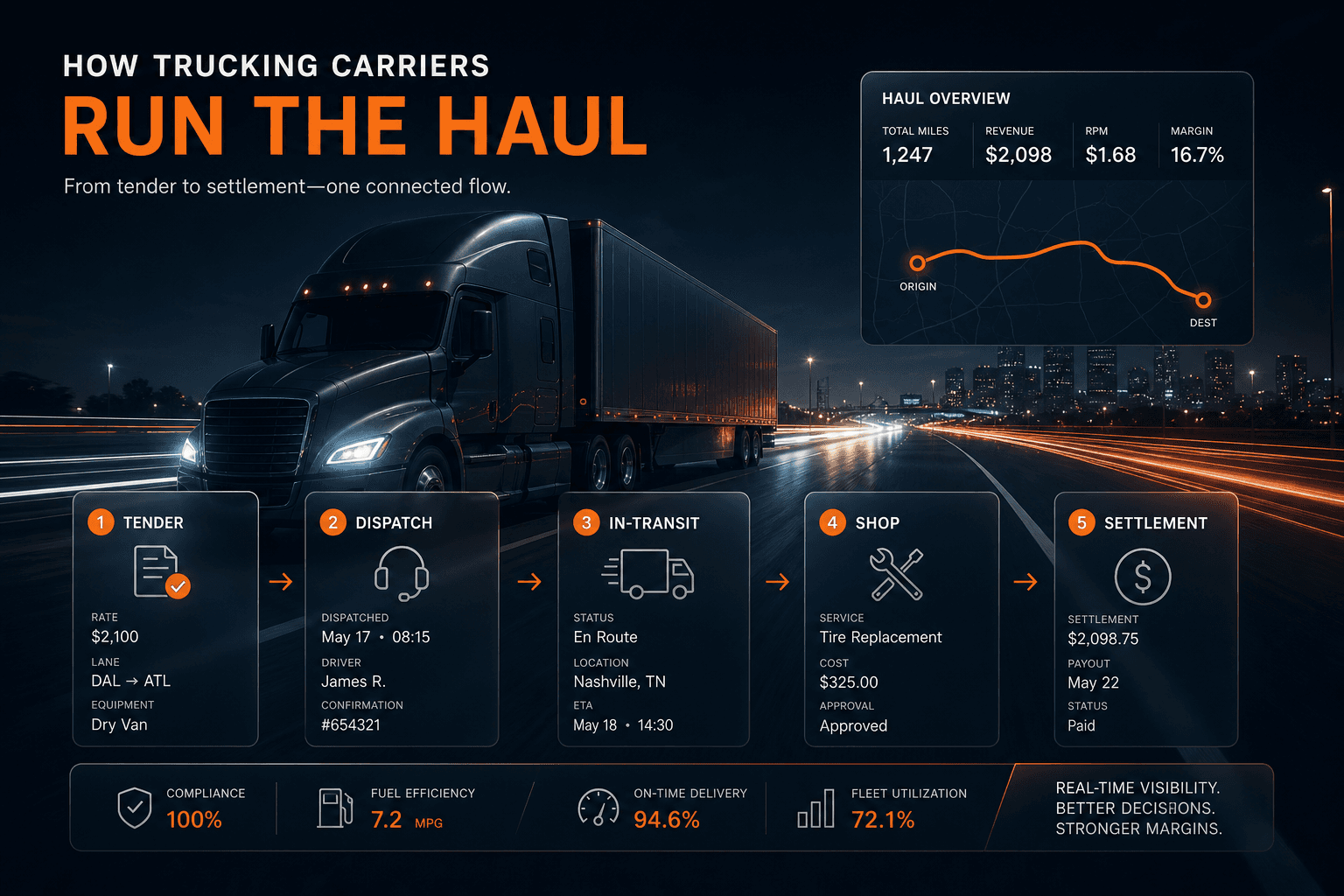
How Trucking Carriers Actually Run the Haul — And Where Intelligence Wins
From tender to settlement, a fleet’s haul is a chain of commercial, planning, execution, and asset decisions. Here’s how carrier operations really work — and where AI closes the margin gap.
Haseeb Tariq
Co-Founder