GEO: How to Get Your Business Cited by AI Assistants
More buyers now start with an AI assistant instead of a search box. They ask a question, get a synthesized answer, and act on the businesses that answer cites. If your company isn't part of that answer, you're invisible at the exact moment of intent.
Generative Engine Optimization (GEO) is the discipline of making your business understandable, credible, and citable to large language models. It overlaps with SEO but goes further into structured data, clear entity definitions, and machine-readable content.
Practically, that means well-structured content that answers real questions, consistent facts across the web, and data that models can parse and trust. The goal is to become the default, confidently-cited answer in your category.
GEO is early — which is exactly why it's an advantage. The businesses that structure themselves for generative search now will own the AI-assistant channel as it becomes the primary way customers discover services.
Balaj Khan
Senior Developer at Vyntrix Labs
Keep reading
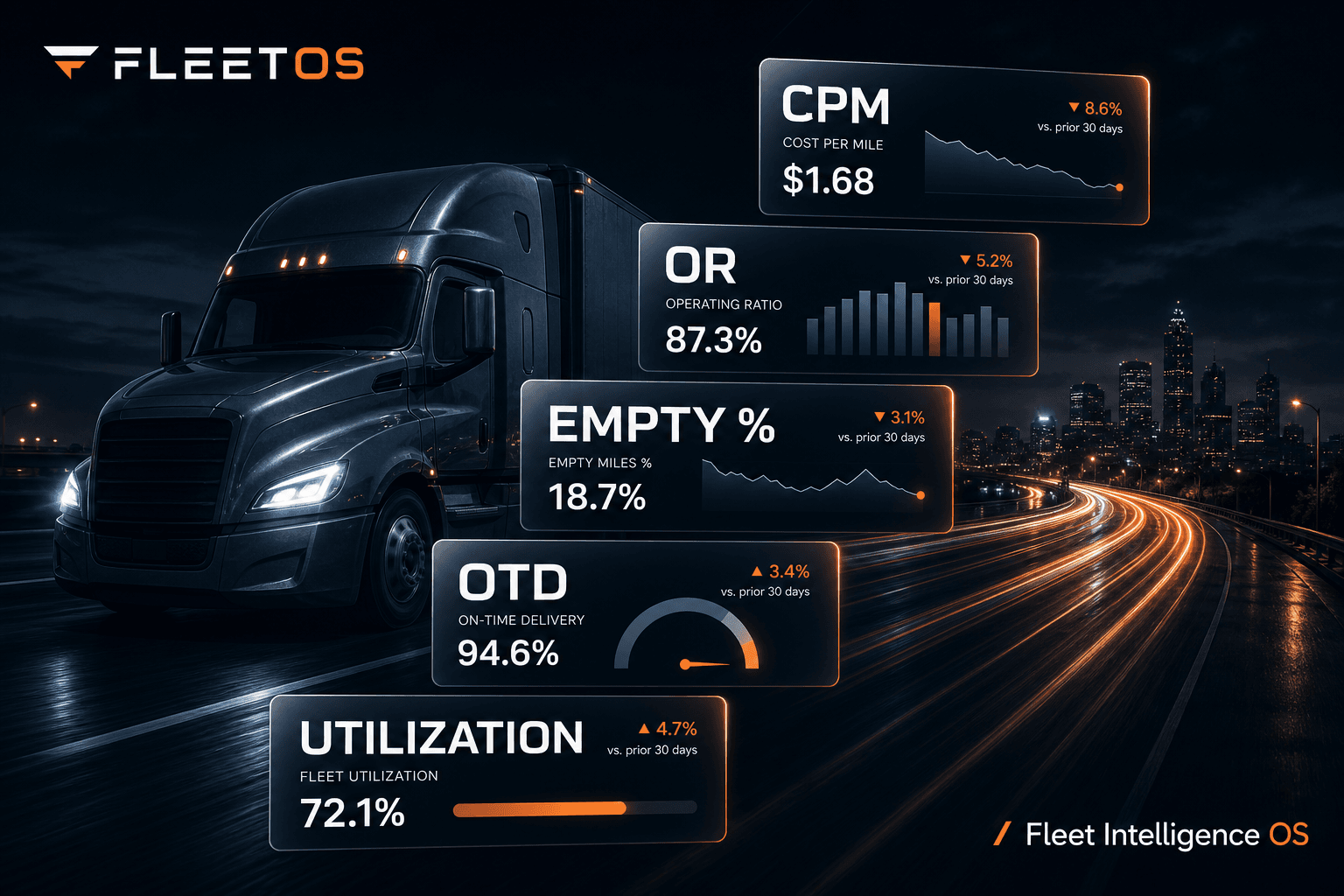
FleetOS: Why Fleet Intelligence Is More Than Dashboards
Motor carriers already own TMS, telematics, and shop systems. FleetOS is the governed decision layer on top — cost-per-mile truth, exception-first ops, and AI that explains what to do next.
Ashir Haroon
CEO
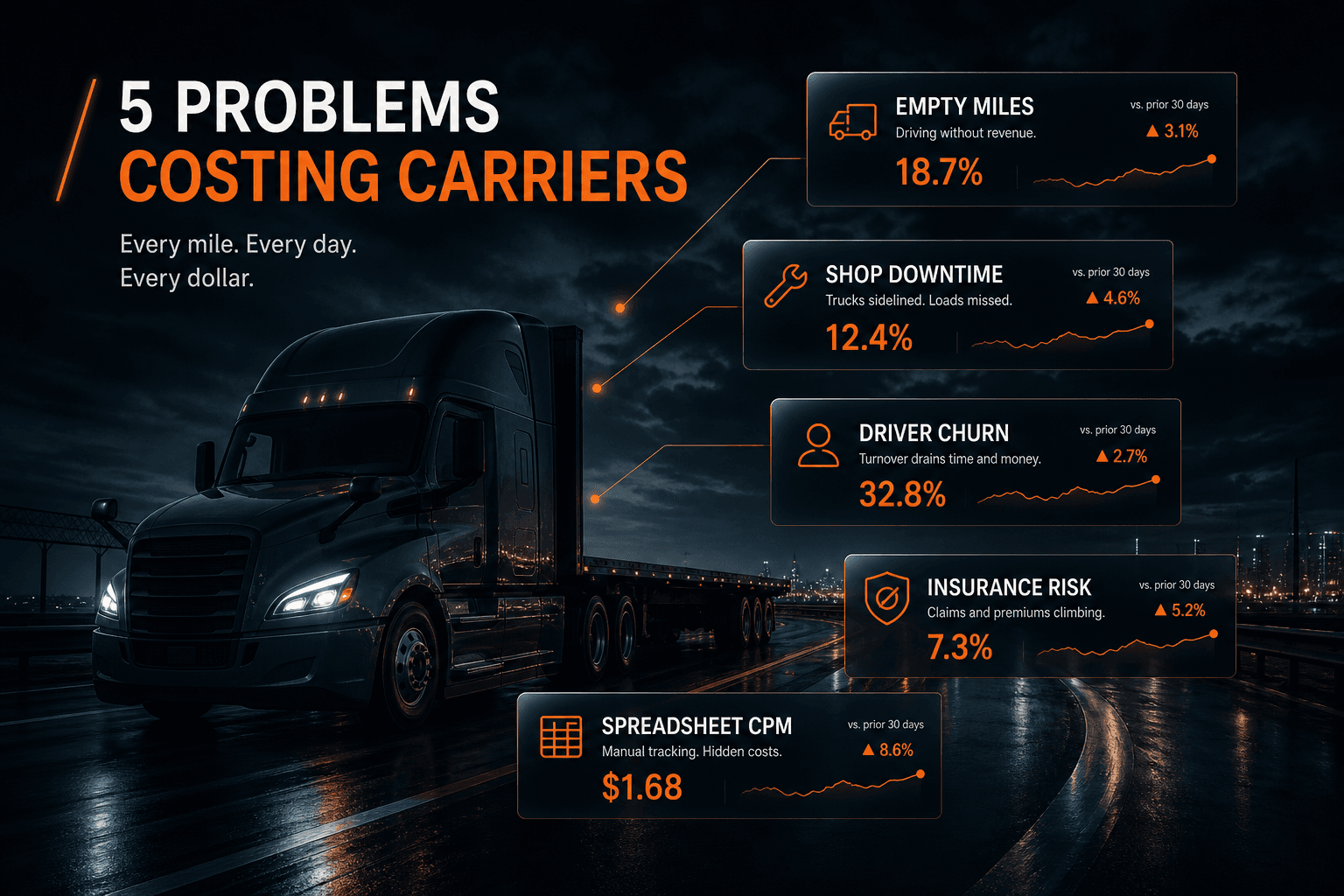
The Everyday Problems Trucking Carriers Still Fight — And Why They Persist
Missed tenders, empty miles, shop downtime, driver churn, insurance spikes, and spreadsheet CPM — the generic carrier pain list hasn’t changed. Here’s why the problems stick, and what actually moves the needle.
Sufyan
AI Engineer
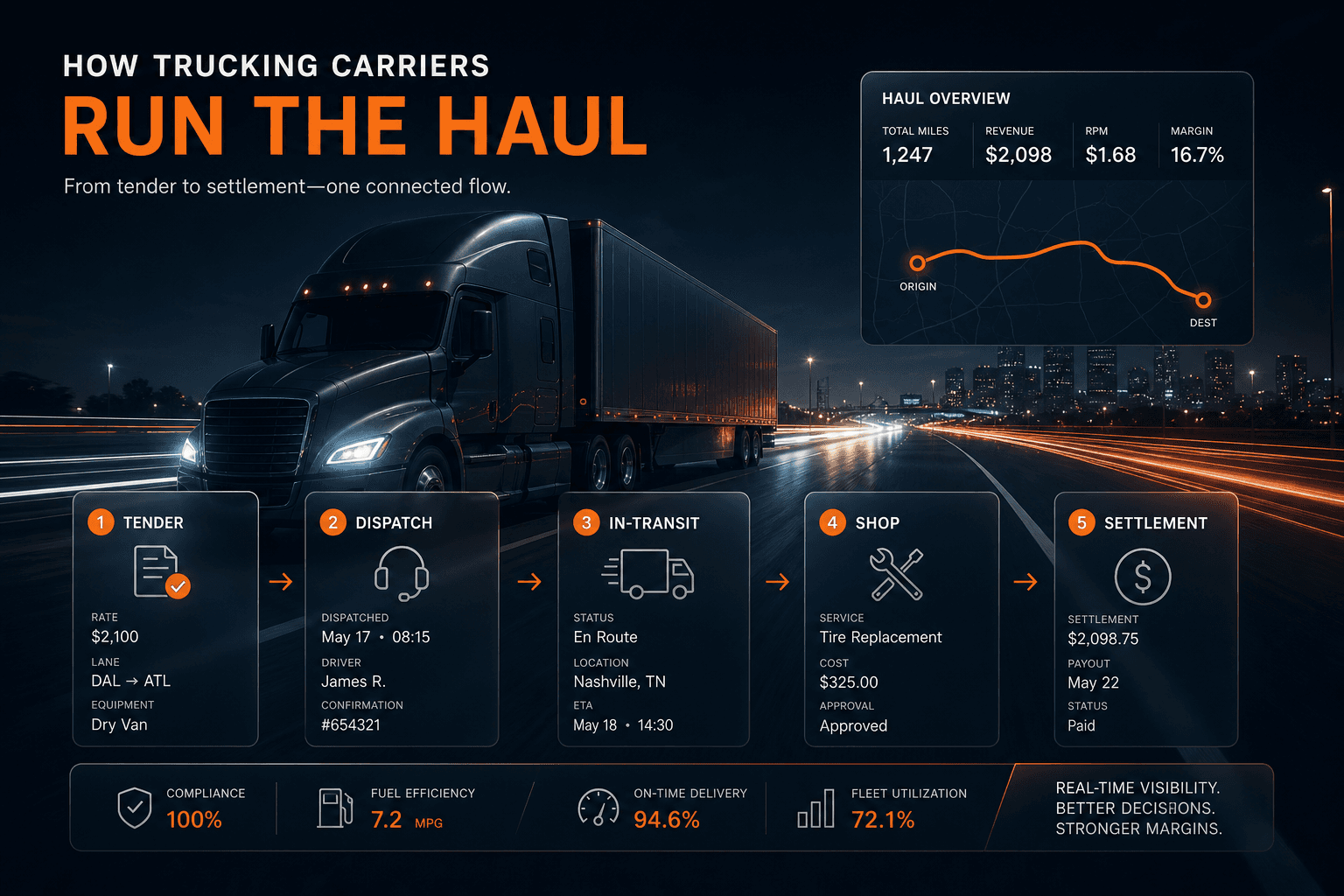
How Trucking Carriers Actually Run the Haul — And Where Intelligence Wins
From tender to settlement, a fleet’s haul is a chain of commercial, planning, execution, and asset decisions. Here’s how carrier operations really work — and where AI closes the margin gap.
Haseeb Tariq
Co-Founder